Nov 3, 2025
Building Inclusive products and services beyond the accessibility checklist.
Moving beyond compliance: Discover how prioritizing inclusive design and involving diverse users early in the process creates superior, more innovative, and universally accessible products.
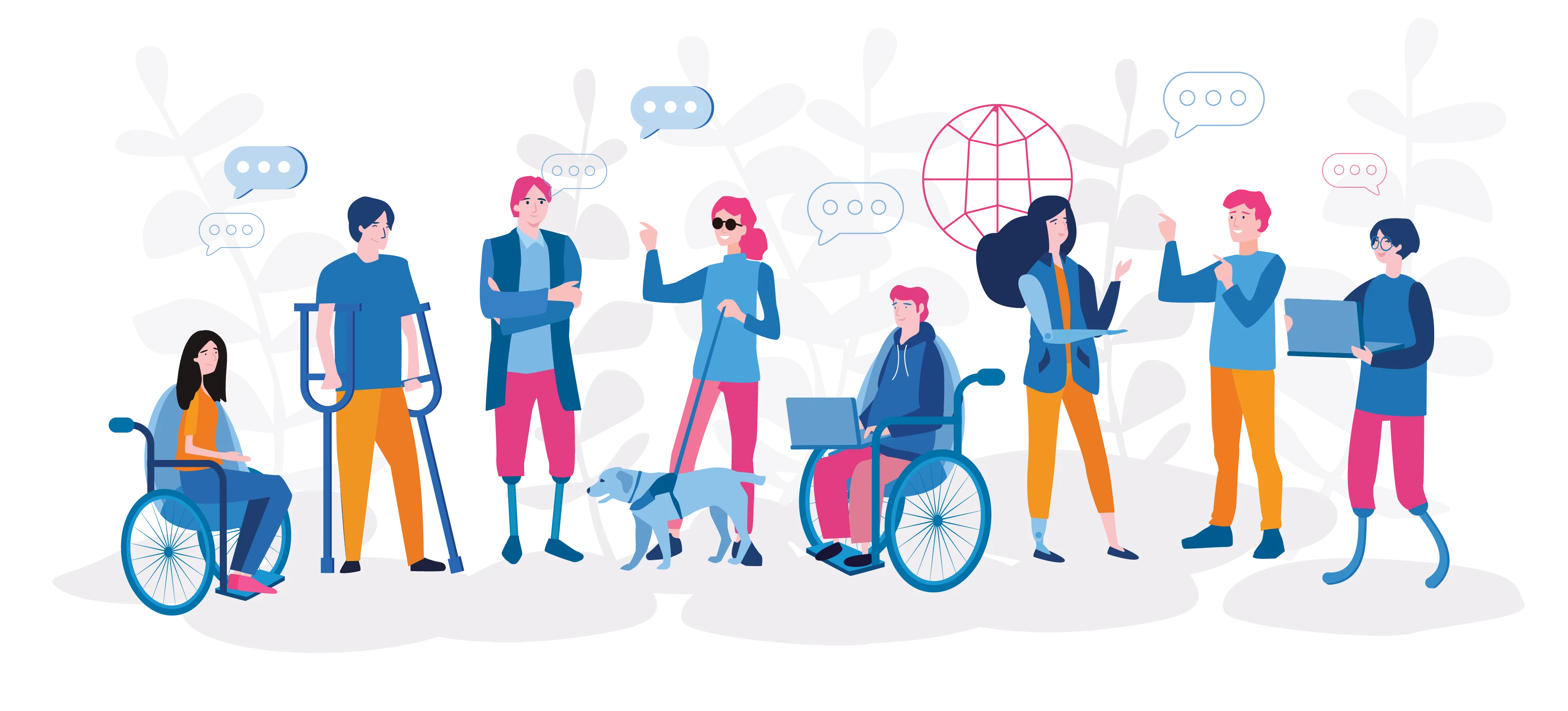
Kat Holmes said, “Diversity is our world’s greatest asset, and inclusion is our biggest challenge.” While accessibility is an essential part of the design process, it benefits both users and businesses. Treating it as a checklist wastes the chance to shape the solutions and features; accessibility is a subset of inclusive design. Every person is unique and important, and they need to be considered in the design thinking process. To start moving beyond checklists, product designers should involve diverse users in early ideation. This ensures everyone with different needs is considered at the right stage and throughout the process.
On a recent Data Mapper project I worked on, the “industry standard” expected users to match data across multiple lines, which was accurate but slow and error-prone with assistive technology. We brought accessibility constraints in early (keyboard parity, clear focus order, chunked tasks ( to eliminate cognitive load and friction), descriptive status messaging). The design shifted from a dense multi-line panel to a guided, step-by-step match flow with progressive disclosure. The result: faster completion for everyone and fewer mismatches for screen-reader and keyboard-only users. Similar to a proof-of-concept project, where I spent two to three months interviewing and listening to seniors, this experience shaped the outcome of the product to be designed and even redirected partners’ objectives with a validated idea for prototyping.
Key takeaway: When you consider or include diverse users early on, you reduce bias (including in AI-assisted features) and often discover a simpler, more innovative path.
With over 13 years of experience in the software industry, I have observed that research often overlooks diverse users, reducing accessibility to a mere checklist. The rise of AI has widened accessibility gaps if inclusivity isn’t prioritized, leading to biased data. Involving users with disabilities early for real-time feedback and utilizing diverse datasets helps reduce bias, ultimately creating more inclusive AI models and solutions. Ensuring inclusivity from the start gives us the opportunity to identify innovative ideas.
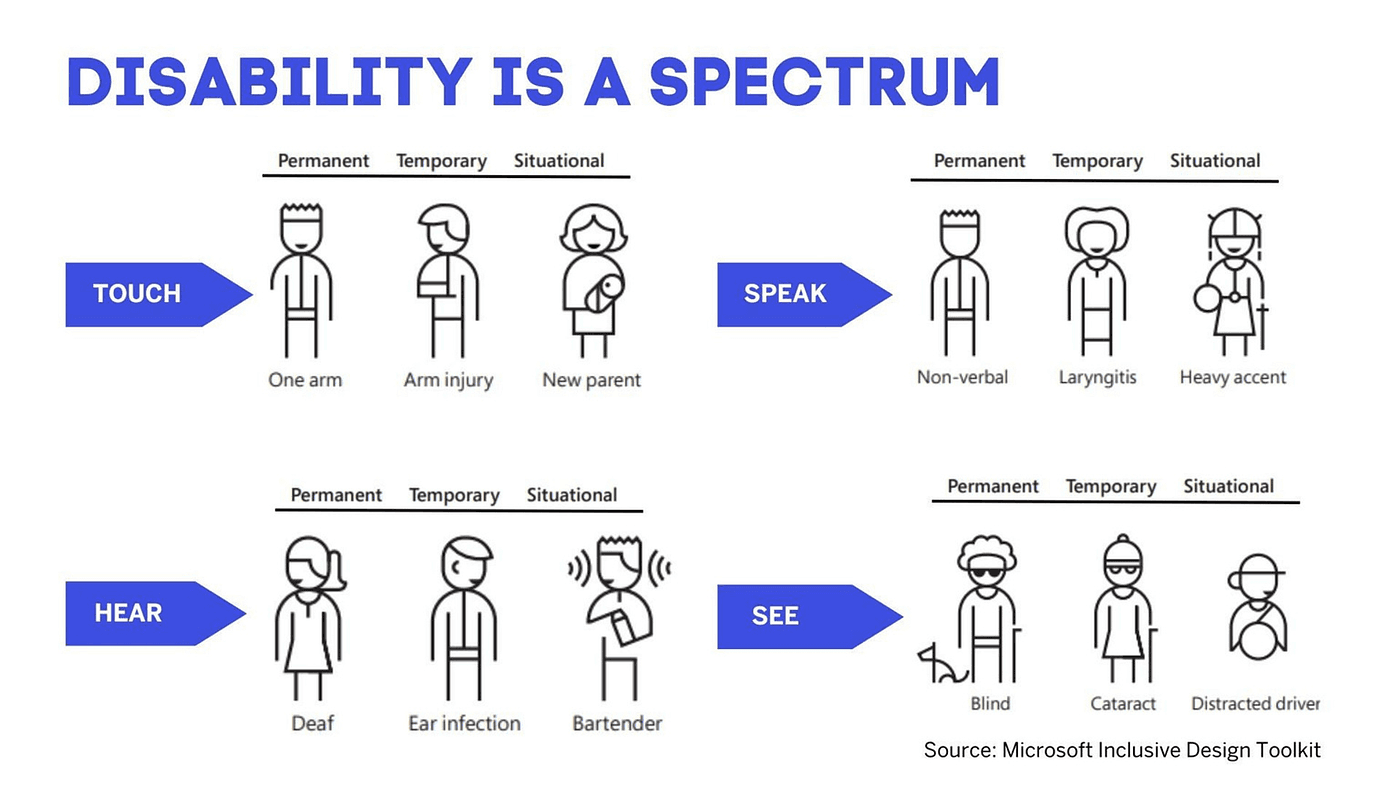
Infographic titled “Disability is a spectrum” showing permanent, temporary, and situational examples across four models (Touch, Speak, Hear, and See). Credit: Microsoft Inclusive Design Toolkit.
Disability is diverse, encompassing a range of conditions that can be permanent, temporary, or situational in nature. Compliance requires us to address human diversity, including temporary conditions like migraines, noise, or stressful situations. Designing with flexibility, such as adjustable fonts, voice recognition, and adaptable interfaces, addresses these needs that are not only useful for people with disabilities but for everyone.
………………………………………………………………………………………..
I have been exploring how to move beyond accessibility checklists and annotations. I ask myself: At what point in my process am I missing opportunities to generate inclusive solutions? And a key stage that often gets overlooked is research or exploration. Ensuring we include the right people from the beginning shapes our assumptions, questions, validation process, and the experiences we design.
With these challenges in mind, what is inclusivity?
Inclusivity means including people who are often excluded or marginalized, such as those who are handicapped or have learning disabilities. It focuses on making products and services accessible to everyone, regardless of their impairments. Inclusivity requires us to provide flexibility so everyone can experience products and services in ways that make sense to them, yet feel great to use.
“Every design decision has the potential to include or exclude customers.”
Closed captioning was created to make TV accessible for deaf and hard-of-hearing users. Now, it’s a routine tool when watching media. This illustrates how inclusive design becomes universally accessible.
Inclusive design is not just a principle, but a culture to be integrated into our design process. By including diverse groups in research, we shape our questions and gain key insights for persona documents. This keeps us mindful of all users.
Innovative solutions can stem from inclusive ideas; even the smallest ideas can have a positive impact on product or service experiences.
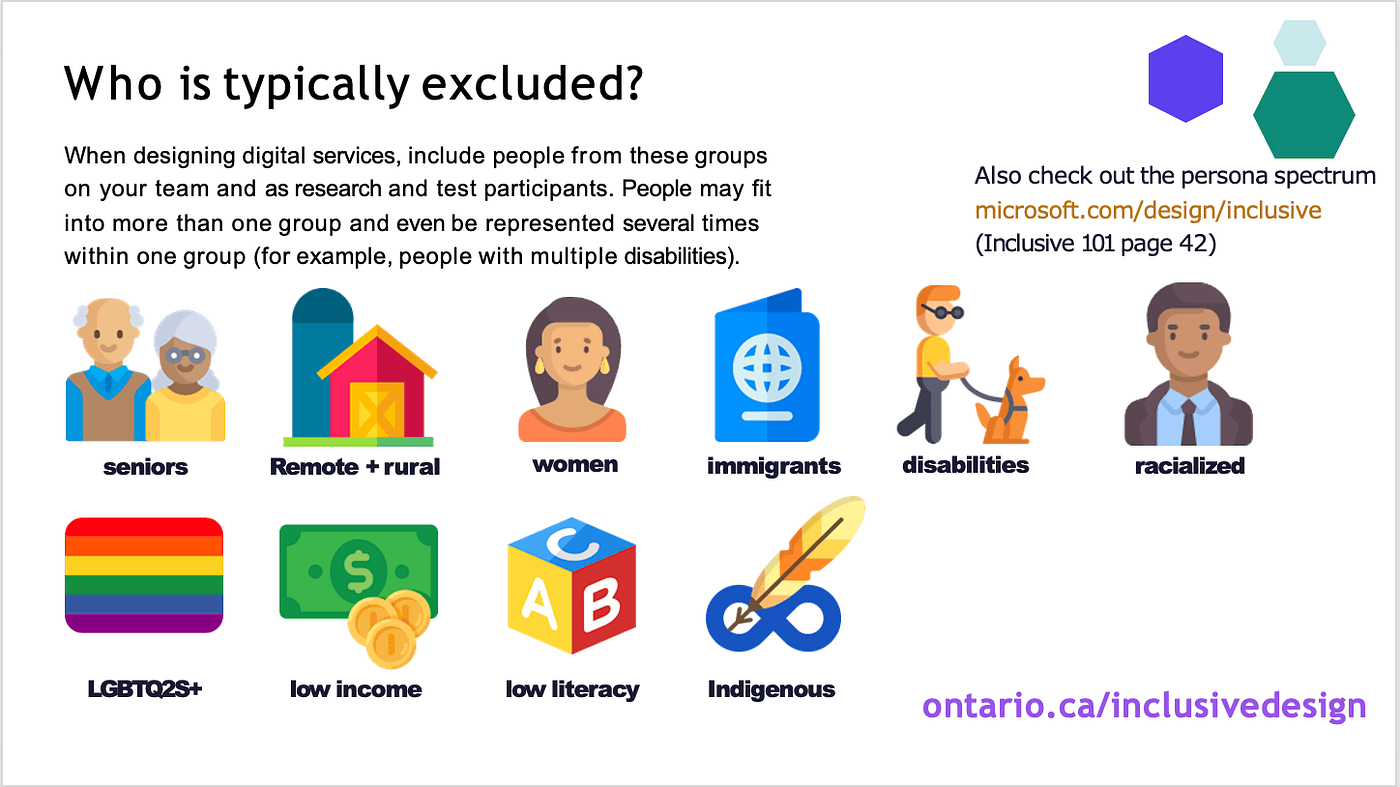
A graphic illustration showing a diverse group of people who are often excluded in design (for example: seniors, remote and rural, women, immigrants, etc). Credit: Ontario.ca/inclusivedesign“
“Research often assumes a ‘typical user”
A persona document is a good artifact to include accessibility needs. This artifact informs, educates, and reminds us to reflect on user needs. Including such information on a persona is the first step to building an inclusive culture across product teams.
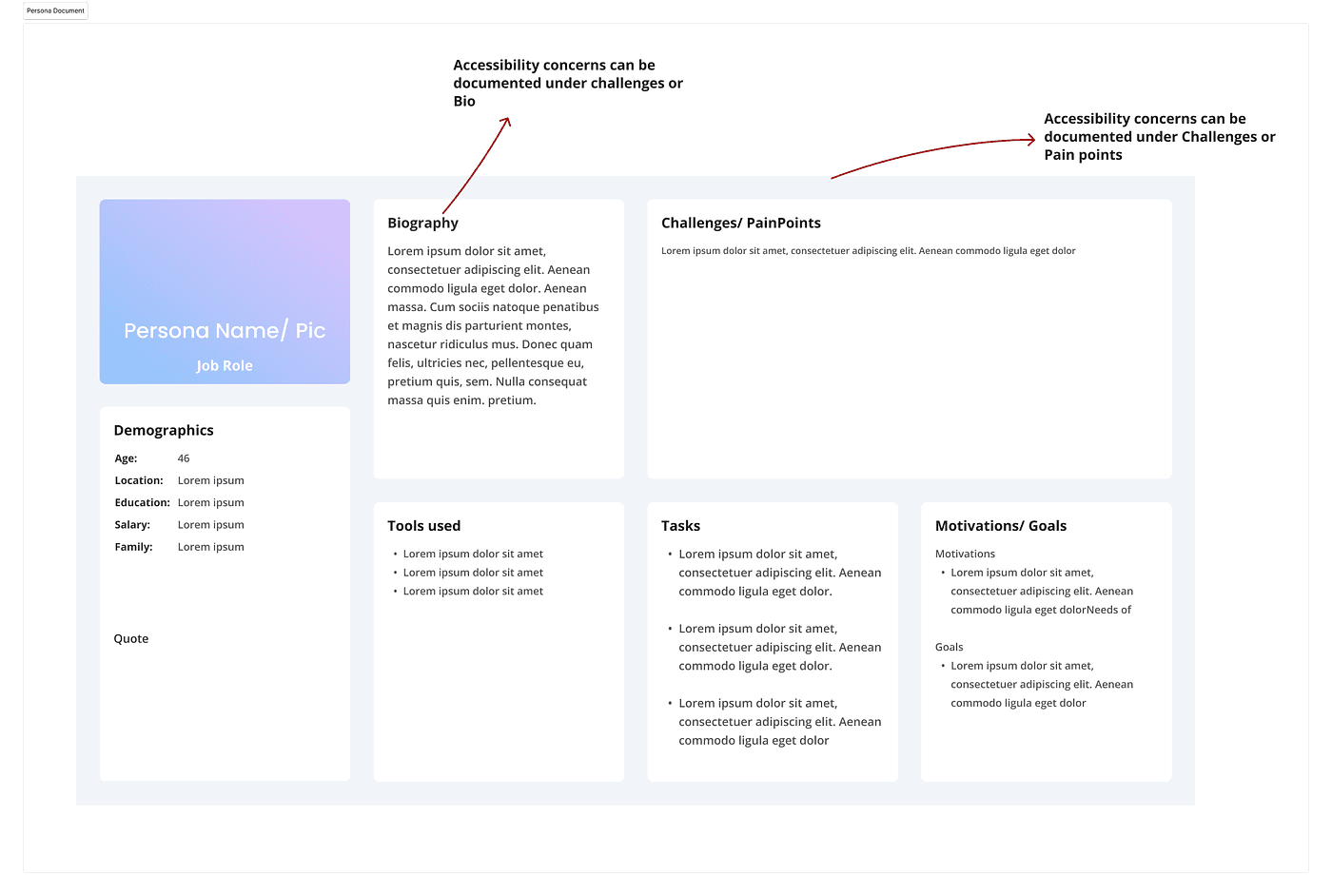
A sample persona layout that highlights where to record accessibility needs within the Biography or Challenges / Pain Points.
Research Checklist for Building an Inclusive Product Culture
Invite users to research and add disability information to personas. Utilize targeted strategies to recruit individuals with diverse abilities, such as engaging with local groups and online communities. Offer incentives, such as gift cards or product trials, to boost participation.
To enhance the recruitment process, consider the following best practices: Clearly define the target group and tailor the message to emphasize the importance of their contribution to the project. Partner with advocacy groups to access networks of individuals with disabilities and gain trust within these communities. Ensure your recruitment materials are accessible by using plain language and offering multiple formats — such as text, audio, and braille to accommodate varying needs.
Be transparent about your participation needs and share how feedback will inform the design process. These steps can boost participation and deliver diverse insights for research.
Facilitate sessions to observe how participants navigate the use of products or services, and identify gaps and opportunities.
Facilitate internal workshop sessions to share lessons learned, ideate on solutions, and exchange knowledge on validated solutions within other teams.
Include users in the product or service validation (user testing) where possible, or reuse learn from past sessions.
To effectively measure and track product experience, consider conducting benchmark studies and complementing them with specific metrics and tools. Measure task completion rates to gauge how efficiently users navigate your product, and use accessibility scores to ensure compliance with WCAG 2.2 standards.
Impact of Inclusive Design
Encourages designers and product teams to think universal and outside of the box.
Happier and innovative solutions that lead to increased customer loyalty and brand image.
Avoid potential legal consequences due to non-compliance.
Robust and increased usability of solutions.
In conclusion, treat accessibility as a design input, not a late checklist. Include people with disabilities and diverse backgrounds from the outset, design for both permanent and temporary constraints, and ship designs with accessibility recommendations. Moving forward, continually ask: who am I excluding and how can I proactively design inclusively? These questions help bridge every phase from planning to product launch.
References
Microsoft Inclusive Design Toolkit
Kat Holmes
Article written by Veronica Dogbegah- UX Consultant and Part-Time Lecturer